HVAC and Duct Mold Remediation in Slidell, LA
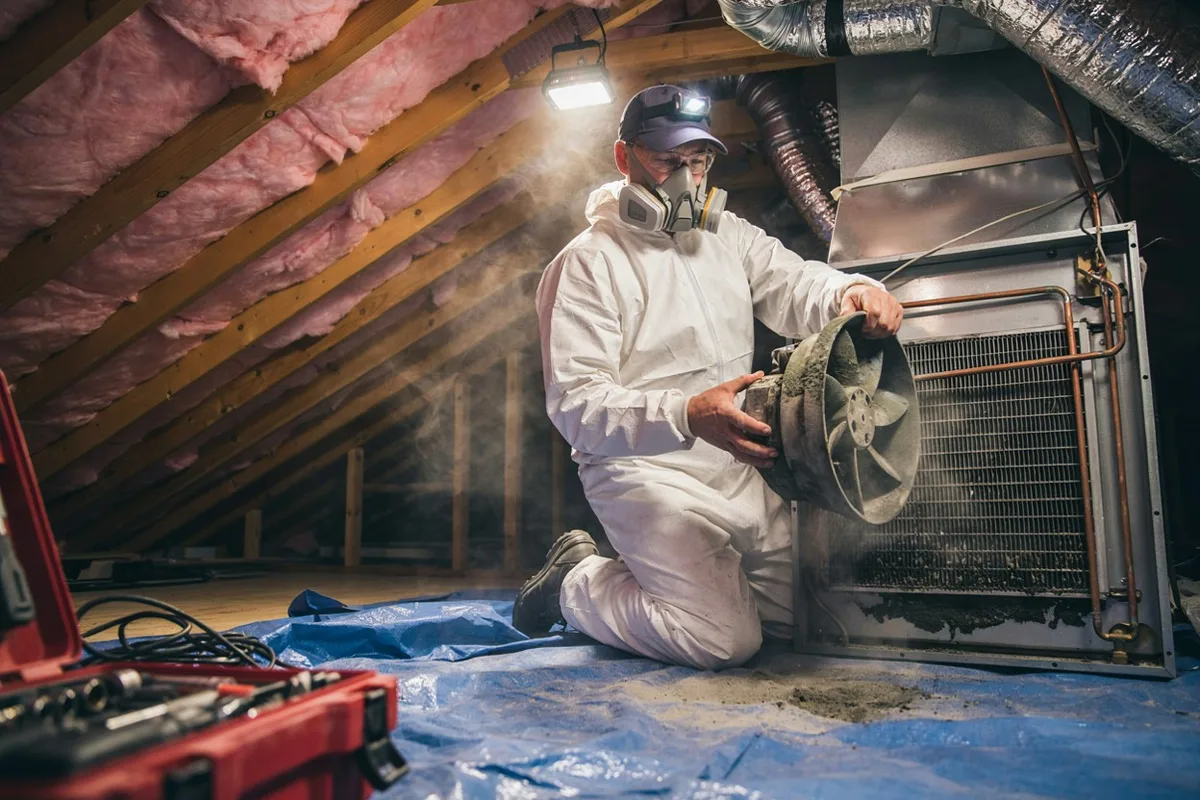
The air handler in most Slidell houses sits in an attic that hits 130 degrees in July, pushing 55-degree air through flexible duct. That is condensation by design, and condensation in insulated duct is what mold needs. If the house smells like a damp closet for the first minute after the unit starts, or one supply grille always has a gray ring around it, the growth may be in the system rather than the room. Call and tell us where you smell it.
Where it grows
At the evaporator coil and the drain pan beneath it, where water is constant. In the plenum and the first run of supply duct, which stay coldest. In flex duct that got wet from a backed-up drain line, a roof leak after Ida, or a summer of sweating in a humid attic. EPA says condensation near the cooling coils is a major factor in moisture contamination of duct systems, and Louisiana’s health department repeated after Ida that wet or moldy insulated duct can’t be cleaned — it gets replaced.
Why Containment Matters
- EPA says not to run a system you suspect is contaminated; the ducts carry spores to every room in the house.
- Insulated flex duct that has been wet or moldy gets removed and replaced, not cleaned.
- Sheet-metal duct and the air handler cabinet can be cleaned in place.
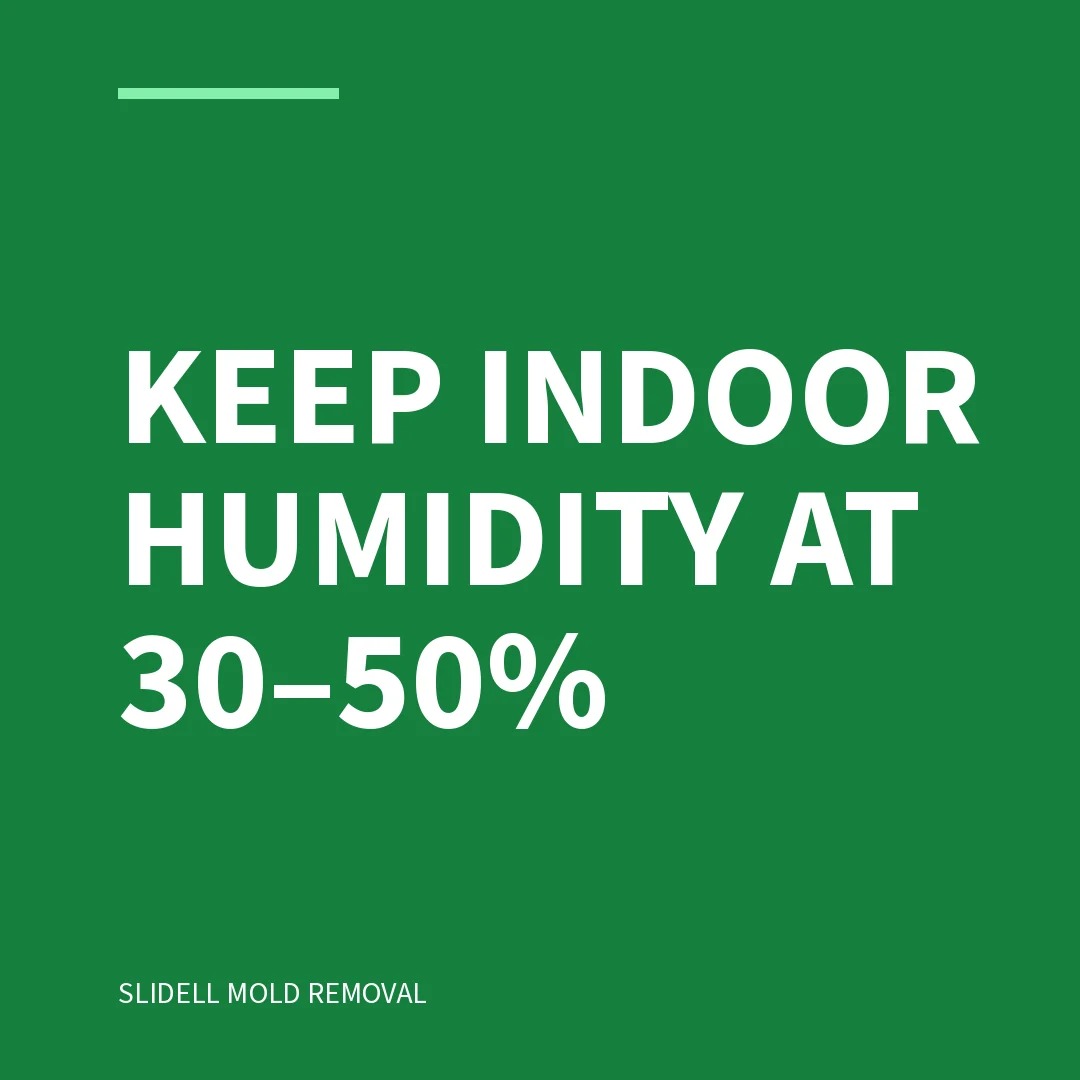
- EPA’s target is indoor humidity below 60 percent, ideally 30–50 — a system that can’t hold that is part of the problem.
Tell Us Where You Smell It, 24/7
Slidell notes
Houses raised after Katrina often got a new attic-mounted system at the same time, and those units are now fifteen to twenty years old with the original flex duct. Ida left tarps on a lot of roofs in Cross Gates and Pearl River for weeks; rain that reached the attic during that time reached the duct too. If the smell started after the roof was patched, say so when you call.
What to do now
If the musty smell clearly comes from the vents, switch the system off and call. Tell us whether the drain line has backed up before and whether the attic took water in a storm.